
In winter, floors are under constant stress. Water, dirt, fine grit, and road salt are brought in from outside and spread across the floor by daily foot traffic. At first glance, the issue may appear purely cosmetic. Some water, a few white footprints, nothing that seems critical. However, it is precisely during this period that a hidden process of wear begins, one that reduces the service life of the floor by years and creates tangible safety risks. Salt, water and abrasive act simultaneously. It is this combination that makes the winter period the most destructive for floors.
Fine Grit And Moisture: How Destruction Begins
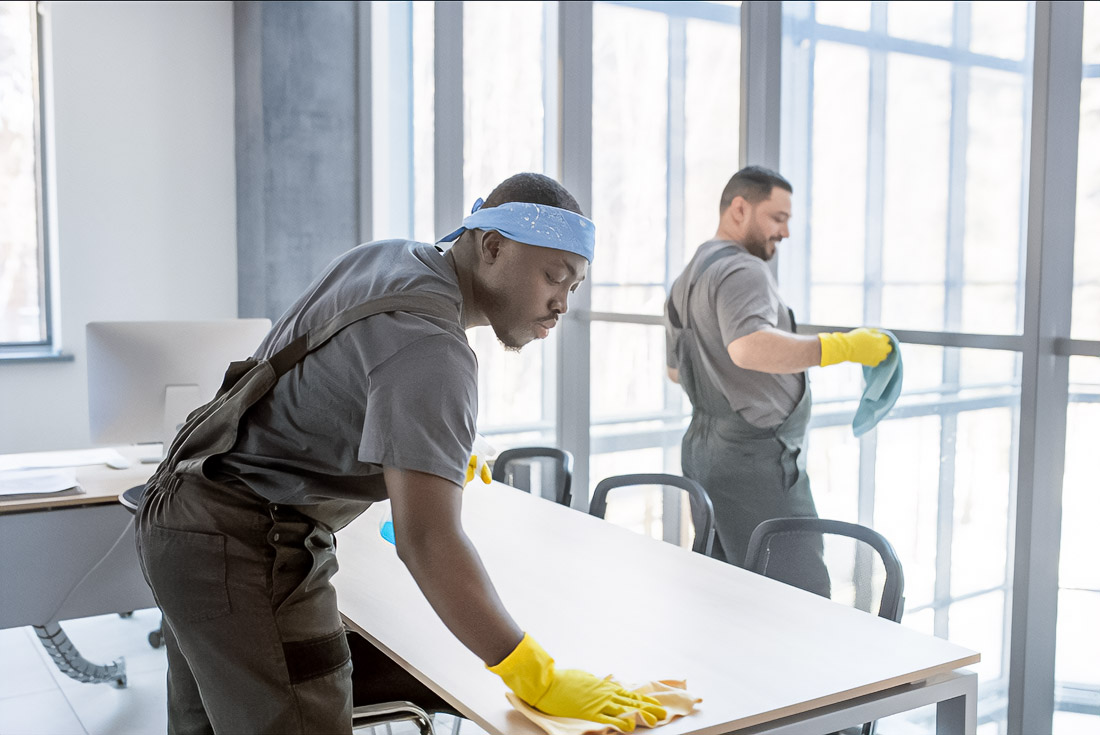
Road salt consists of solid crystals. Under the pressure of shoes, they are pressed into the floor surface and work like fine sandpaper. Each step leaves micro-damages that are not immediately visible, but gradually destroy the protective layer.
The situation is aggravated by the hygroscopicity of salt. It actively attracts moisture and keeps it on the surface. Instead of drying quickly, the floor is covered with a cloudy salt film. This film penetrates into the pores of materials, into seams, into grout and into carpet fibers.
When the moisture evaporates, white streaks and salt stains remain. This is no longer just contamination, but a sign that the coating structure has begun to deteriorate. At the same time, wear accumulates long before visible defects appear.
Entrance Areas And High-Traffic Areas
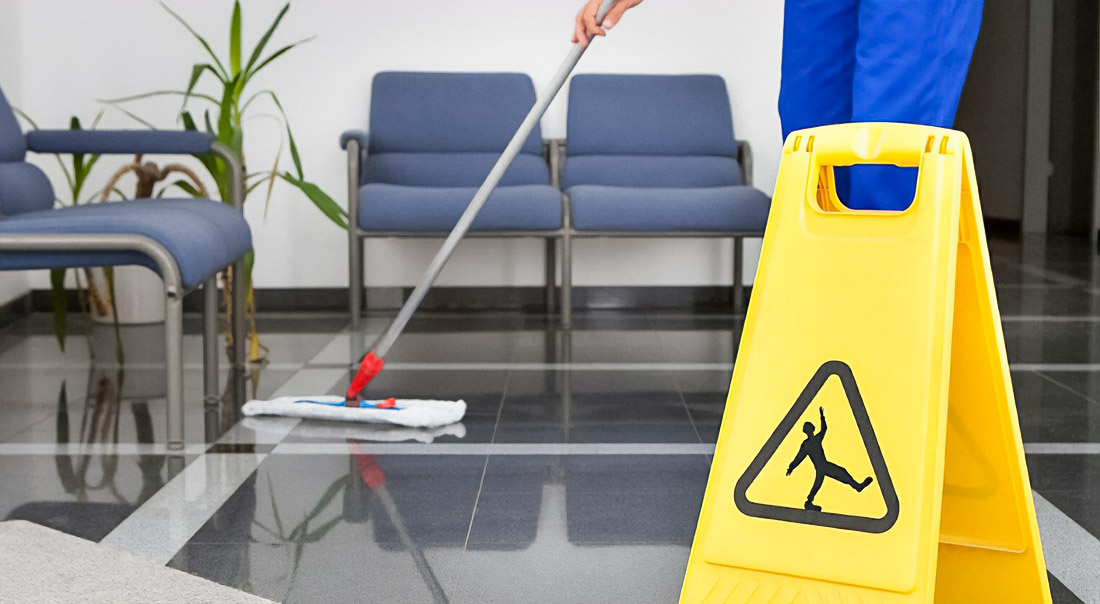
The main impact always falls on the entrance areas. It is here that salt, water and dirt get inside in the greatest volume. Mats and mats retain some of the dirt, but only as long as they are dry and clean.
Saturated with moisture, the mats cease to perform a protective function. Instead of a filter, they begin to spread the contamination further. The abrasive is quickly transferred to corridors, elevator halls and work areas. Each movement increases the wear of the coating.
High-traffic areas are the first to suffer. This is where the “wear tracks”, tarnishing of the surface and uneven color appear. It is almost impossible to fix such damages locally.
Different Coatings Different Damage Scenarios
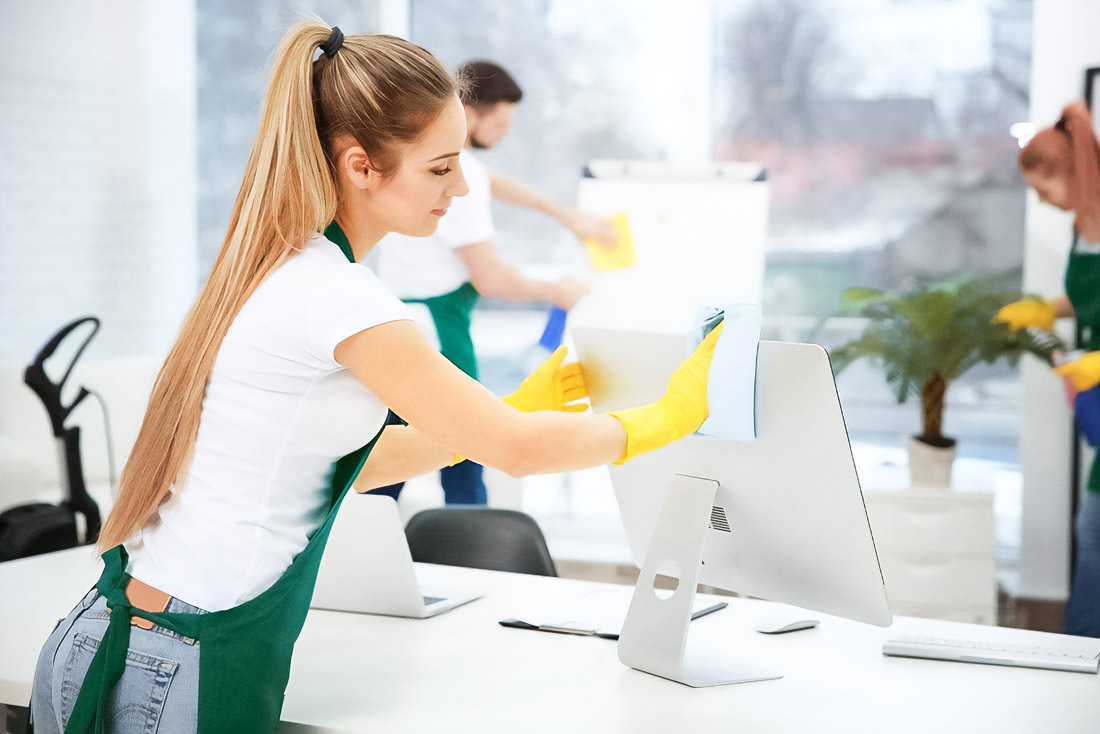
Carpeting takes a hit before the rest. Fine grit and salt penetrate deep into the fibers and substrate. The fibers are cut, crumpled, and lose their shape. Salt residues retain moisture and odors, which makes the rooms seem damp even with normal cleaning.
Hard floor coverings break down differently. On vinyl and linoleum, the abrasive erases the protective layer. After it is damaged, the floor becomes dirty faster and is cleaned worse. Laminate and wood are particularly sensitive to moisture. Water absorption leads to warping, swelling and delamination. Stone and tile lose their luster due to the penetration of salt into the pores and seams.
Safety, Health, And Hidden Costs

Even a visually dry floor can remain slippery. Salt microcrystals create a thin layer that increases the risk of falls. This is especially dangerous in the entrance areas and at the junctions between the coatings. After drying, salt and grit turn into fine dust. In rooms with recirculated air, this dust remains in the air for hours, irritating the respiratory tract and eyes.
The economic consequences come later. Premature replacement of floors includes not only the cost of materials and work, but also the indirect impact that is often underestimated even by an experienced office cleaning company Bristol operating in high-traffic commercial environments. Downtime of premises, relocation of workplaces, noise and complaints are added. Prevention is much cheaper than repairs.
Why Prevention Always Wins
Winter floor wear is an accumulative process. It begins long before the appearance of spots and visible defects. Regular cleaning, increased cleaning frequency, attention to the entrance areas and proper handling of salt residues allow you to maintain the protective layer and extend the service life of the coating. Caring for floors in winter is not a matter of appearance. This is a matter of safety, budget and sustainable operation of the building.

Baseball fan, shiba-inu lover, guitarist, reclaimed wood collector and doodler. Operating at the junction of art and programing to create not just a logo, but a feeling. I’m fueled by craft beer, hip-hop and tortilla chips.