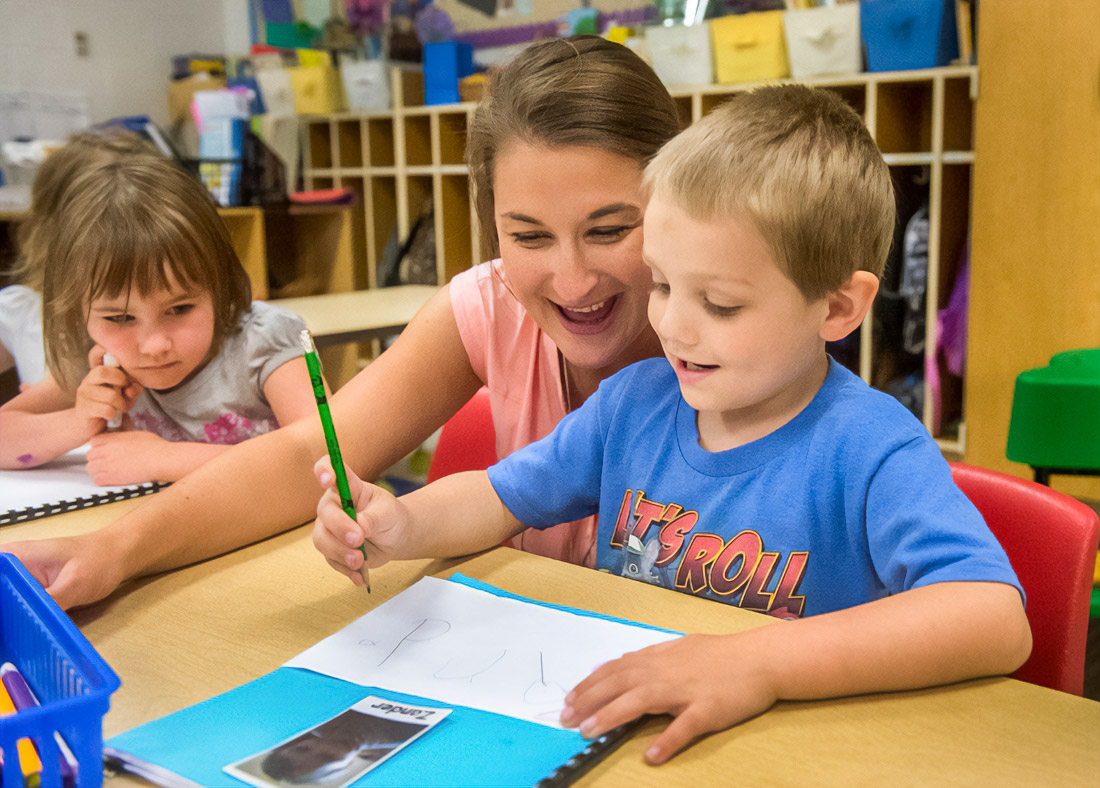
The climate is no longer just a background condition for school life; it has become an active factor shaping the daily educational experience. Environmental conditions now directly influence students’ concentration, physical well-being, and long-term development. These changes demand a more structured and proactive response from educational institutions. In the UAE, extreme heat, dust storms, fog, heavy rainfall, and declining air quality are no longer rare events but recurring realities. As a result, schools must adapt systematically rather than relying on isolated or temporary solutions.
Heat, Overheating, And The Hidden Cost Of A School Day
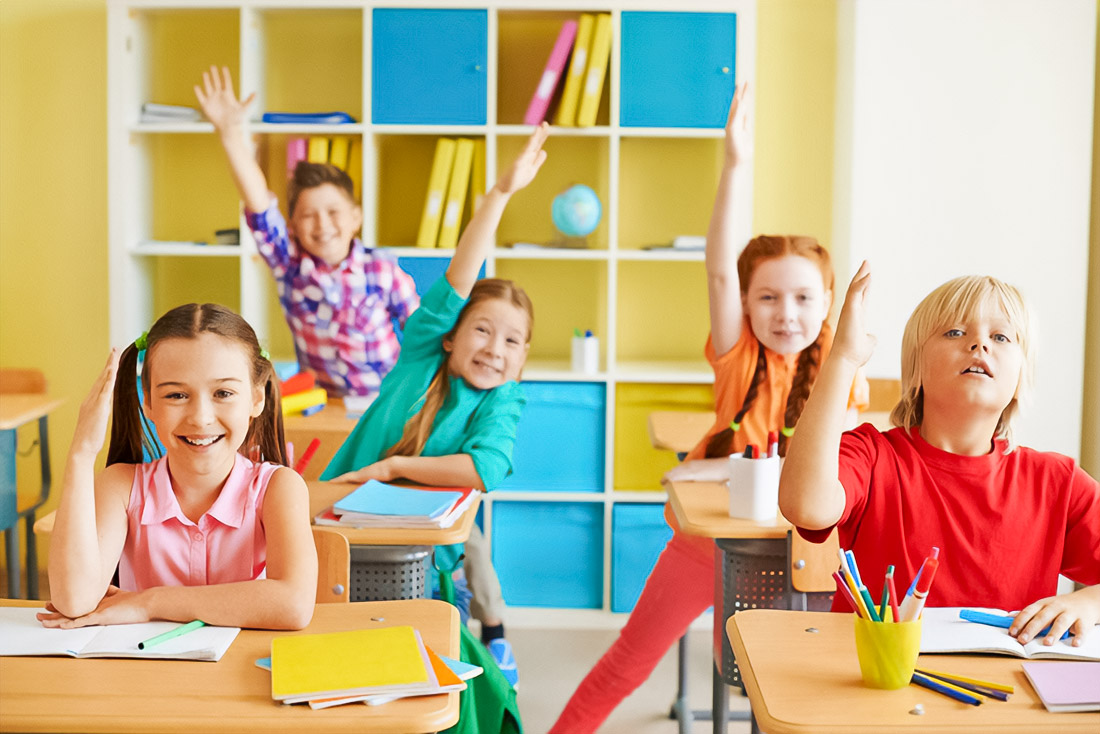
Summer here lasts longer than the calendar. Inland areas easily reach 42-46°C, coastal zones 39-44°C, mountainous 32-39°C. It’s not just “stuffy” for a child. This is a constant risk of heat stress, dehydration, headaches, and decreased concentration. In an overheated classroom, it is more difficult for a student to listen, remember, and think clearly; studies directly link high temperatures with drowsiness, decreased energy, and memory impairment.
Schools respond by adapting the infrastructure: they strengthen thermal insulation, adjust ventilation, minimize direct sunlight, and postpone active classes to the coolest hours. Outdoor physical education lessons, playground games, and yard gatherings are all easily canceled or moved indoors if the temperature and heat stress index become dangerous. Student safety is no longer a formality here, but a daily managerial task.
Dust, Air, And An Invisible Threat To Health
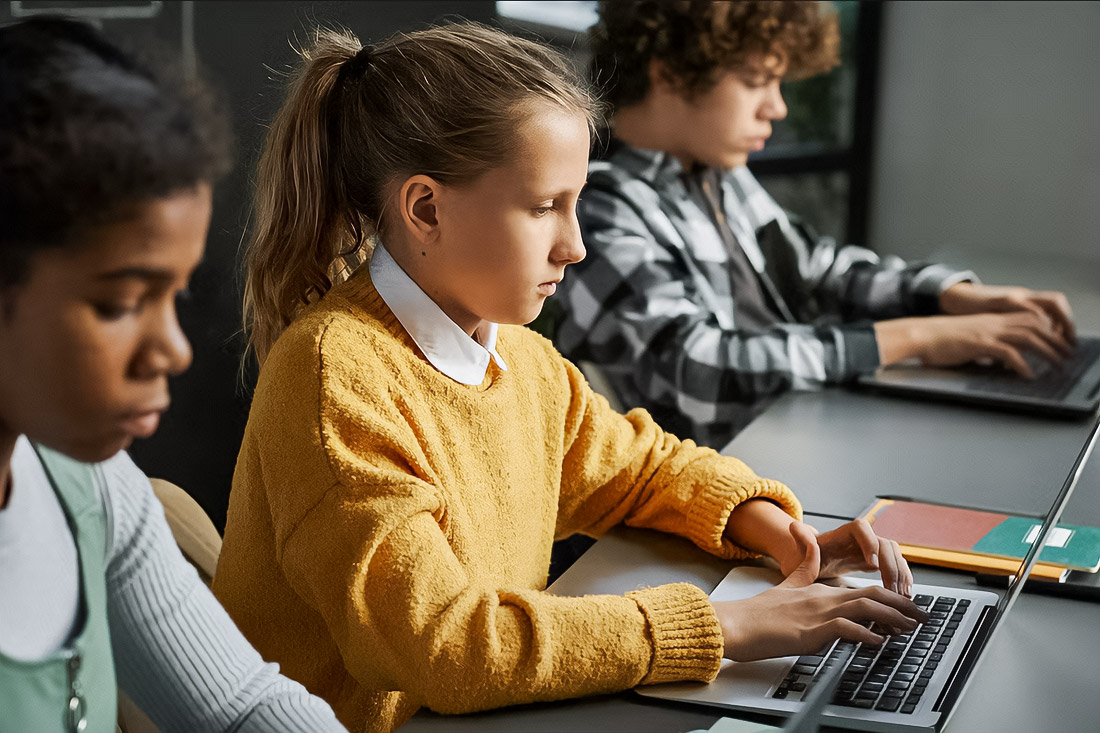
The extreme weather in the UAE is also exacerbated by the air quality. Dust storms, shamal, suspended particles PM2.5 and PM10, humidity and ozone form a cocktail that is especially dangerous for children. Levels of “Unhealthy”, “Very Unhealthy“ and ”Hazardous” were recorded in a number of areas according to the national air quality index. For a growing body, this is not just discomfort. This is an increased risk of respiratory tract inflammation, asthma exacerbation, long-term lung problems, and cognitive decline.
The schools, including international schools in Ajman, are shutting down outdoor activities, increasing filtration, regulating ventilation systems, and moving classes to the most secure areas. Decisions are made quickly, sometimes within minutes of a new forecast or emergency warning. At this moment, parents receive instant messages, instructions, and updated schedules.
Seasons, Vacations, And Summer Learning Regression
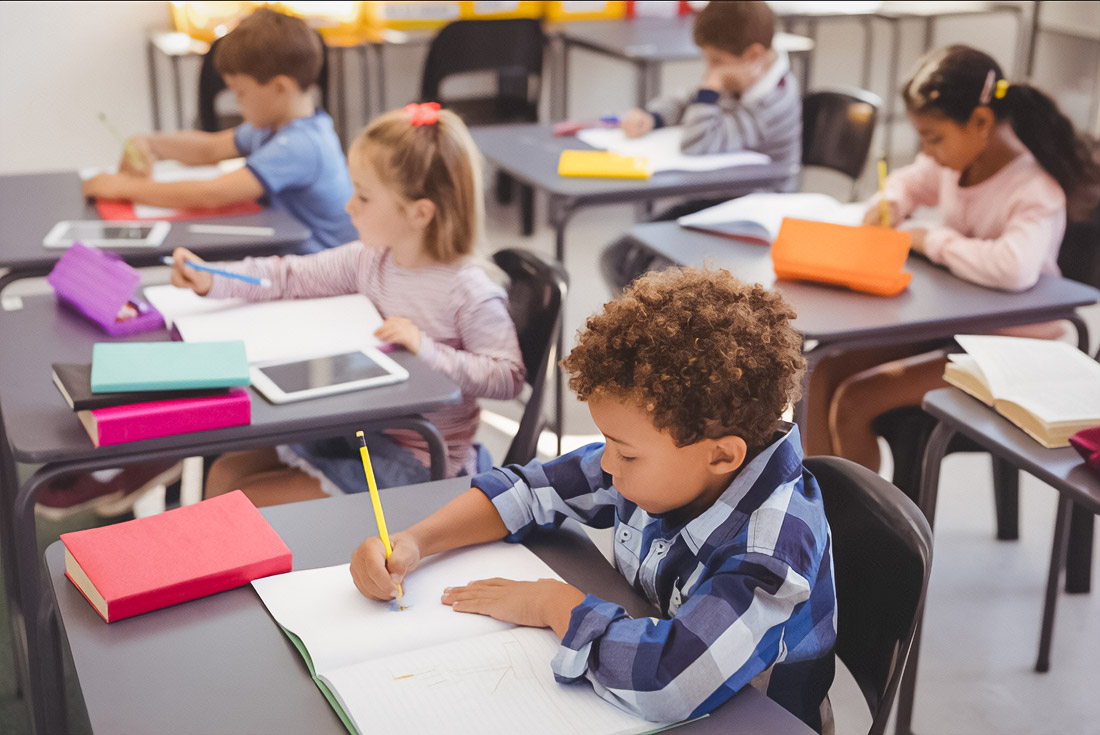
Even when the weather looks “calm”, it continues to interfere with education through vacations and regimes. The summer learning regression, the summer slide, is quietly eating up the results of the year. Research shows that during the summer holidays, children can lose 20-30% of their academic progress, and in mathematics, the drop reaches 2.6 months in just 6 weeks. In a few years, such a regression can accumulate to a gap of almost two years between different students.
Therefore, schools no longer consider vacations as a “full break.” Students are advised to read for at least 30 minutes daily, use online platforms, and complete tasks that support basic skills. In the first weeks after returning, teachers pay attention not only to the new curriculum, but also to informal assessments: they identify gaps, gently return students to the learning rhythm, and restore academic motivation. Against this background, the role of the daily routine is particularly noticeable. The heat makes it difficult to sleep, disrupts the usual hours of activity, and pushes people into shopping malls and enclosed spaces. Therefore, students are advised to plan important tasks in the morning and evening, spend more time in well-ventilated and cooled rooms, monitor hydration, avoid sugary carbonated drinks that increase dehydration, and do not forget about protecting the skin from the sun.
Climate challenges, which once seemed like a distant topic for scientific reports, have already entered the regular school day. They affect schedules, infrastructure decisions, health, mental health, and academic progress. And today, it directly depends on how flexibly and carefully schools respond to extreme weather, deteriorating air quality and seasonal shifts, whether children will be able to study in an environment where not only presence is possible, but learning is really possible.

Baseball fan, shiba-inu lover, guitarist, reclaimed wood collector and doodler. Operating at the junction of art and programing to create not just a logo, but a feeling. I’m fueled by craft beer, hip-hop and tortilla chips.